
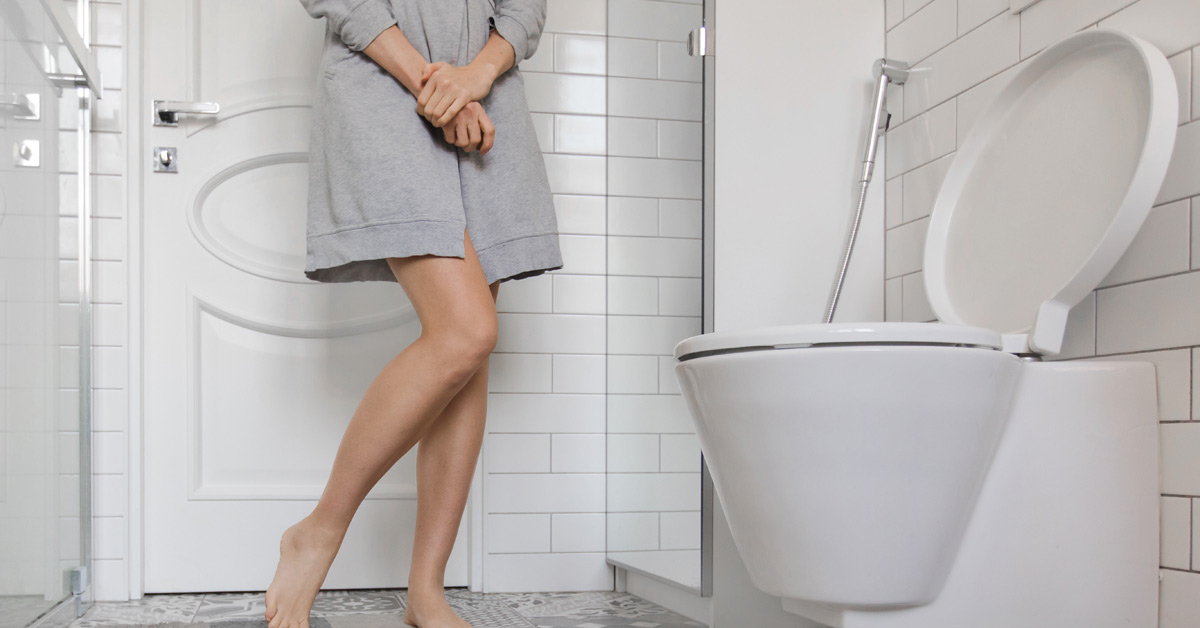
If you’ve been wondering what causes overactive bladder, you’re not alone. A sudden urge to urinate, frequent trips to the bathroom, or waking several times a night can be frustrating and disruptive.
While overactive bladder becomes more common with age, it isn’t a normal part of getting older, and you don’t have to live with it.
What Is Overactive Bladder?
Overactive bladder (OAB) is a condition that causes a sudden, hard-to-control urge to urinate. You may also find yourself going to the bathroom more often during the day, waking at night to urinate, or leaking urine before you can make it to the bathroom. OAB can happen with or without urine leakage.
What Does Overactive Bladder Feel Like?
The main symptom of OAB is a sudden urge to urinate that’s hard to ignore. You may also:
- Urinate more often than usual
- Wake during the night to urinate
- Leak urine on the way to the bathroom
Many people with OAB find themselves planning errands, travel, and social activities around where the nearest restroom is.
Is Overactive Bladder the Same as Urinary Incontinence?
No. Although OAB can cause urine leakage, not everyone with OAB leaks urine. Some people have urgency and frequent trips to the bathroom without any accidents.
Stress urinary incontinence is different. It causes urine leakage when you cough, sneeze, laugh, exercise, or lift something heavy. Some people have both conditions, which is called mixed urinary incontinence.
What Causes Overactive Bladder?
Overactive bladder happens when your bladder tells you it’s time to urinate, even when it isn’t full. In many people, there’s no single clear cause. But several health conditions and lifestyle factors can contribute to OAB, including:
- Urinary tract infections
- An enlarged prostate or another blockage
- Constipation
- Diabetes
- Bladder stones
- Pelvic floor problems
- Changes after menopause
- Neurologic conditions
- Certain medications
- Too much caffeine, alcohol, or fluid intake
OAB isn’t a normal part of getting older. Many people find relief once the cause is identified and treated.
How Is Overactive Bladder Diagnosed?
During your appointment, your urologist will ask about your symptoms, including:
- When they started
- How often you urinate
- Whether you leak urine
- How your symptoms affect your daily life
Your urologist may also ask you to keep a bladder diary for a few days to track your bathroom habits and symptoms. Your evaluation may include a urine test to check for an infection or blood in the urine. Your urologist may also measure how much urine is left in your bladder after you urinate. This is called a post-void residual measurement.
If your symptoms are severe, unusual, or don’t improve with treatment, your urologist may recommend more testing.
Can Lifestyle Changes Improve Overactive Bladder?
Lifestyle changes may help reduce OAB symptoms. Your urologist may recommend:
- Limiting caffeine and alcohol if they make your symptoms worse
- Avoiding large amounts of fluid before bedtime while staying hydrated
- Treating constipation
- Following a timed bathroom schedule
- Gradually increasing the time between bathroom trips
- Learning ways to control a sudden urge to urinate
Can Medication Treat Overactive Bladder?
Yes. Prescription medications can help relax the bladder or help it hold more urine. Your urologist will recommend the medication that’s best for you. The two main types are antimuscarinics and beta-3 adrenergic agonists. Your doctor will explain the benefits and possible side effects of each.
What Happens If Lifestyle Changes and Medication Aren’t Enough?
If lifestyle changes and medication aren’t enough, several office-based treatments can help:
- Bladder Botox® injections: OnabotulinumtoxinA is injected into the bladder muscle to reduce unwanted bladder contractions.
- Percutaneous tibial nerve stimulation (PTNS): Mild electrical stimulation near the ankle helps control the nerves involved in bladder function.
- Sacral neuromodulation: A small implanted device sends gentle electrical signals to the nerves that help control the bladder.
Many people improve with the right combination of bladder training, pelvic floor therapy, medication, or office-based treatment.
What Causes Overactive Bladder?
Overactive bladder doesn’t have one single cause. It can develop because of changes in the way the bladder muscles or nerves work. It may also be related to another medical condition. The important thing to remember is that frequent urgency and trips to the bathroom aren’t something you simply have to live with.
If overactive bladder is affecting your daily life, the team at Comprehensive Urologic Care can help. We diagnose and treat OAB for patients in Lake Barrington, Elgin, and Crystal Lake. Contact us today to schedule an appointment and find the treatment that’s right for you.